Electricity is a fundamental part of modern life, powering homes, offices, and industries. Behind every functional electrical system lies a combination of carefully selected components that work together to deliver power safely and efficiently. Choosing the right materials and understanding their purpose is essential for maintaining a reliable setup.
When dealing with electrical supplies, it’s important to recognize that each component plays a specific role in ensuring proper distribution and control of electricity. From wiring to protective devices, every element contributes to the overall performance and safety of the system.
Core Components of Electrical Systems
At the heart of any electrical system are wires and cables. These conductors carry electricity from the source to various devices and appliances. They are designed with insulation to prevent leakage and ensure safe transmission of current.
Switches and outlets are equally essential. They provide control and accessibility, allowing users to operate lights and appliances conveniently. These components form the interface between the electrical system and everyday usage.
Importance of Circuit Protection
Safety is a critical factor in any electrical setup. Devices such as circuit breakers and fuses are designed to protect systems from damage caused by overloads or short circuits. Circuit breakers automatically interrupt the flow of electricity when abnormal conditions are detected, preventing hazards like overheating or fire.
These protective devices are typically installed in distribution panels, where they monitor and control different circuits. Their ability to quickly respond to faults makes them an essential part of modern electrical systems.
Role of Distribution and Control Panels
Distribution panels act as the central hub for electrical systems. They divide the incoming power supply into smaller circuits, allowing electricity to be distributed efficiently throughout a building.
These panels also house protective components such as breakers, ensuring that each circuit operates safely. Proper organization within these panels makes it easier to manage and troubleshoot electrical systems when needed.
Enclosures and Connection Safety
Electrical connections must be protected from external factors such as moisture, dust, and accidental contact. Junction boxes and enclosures serve this purpose by housing wiring connections securely.
These enclosures not only protect the wiring but also reduce the risk of electrical shocks and short circuits. Proper installation of these components ensures that connections remain safe and durable over time.
Tools and Accessories for Installation
In addition to primary components, various tools and accessories are necessary for proper installation. Connectors, terminals, and mounting systems help secure and organize wiring efficiently.
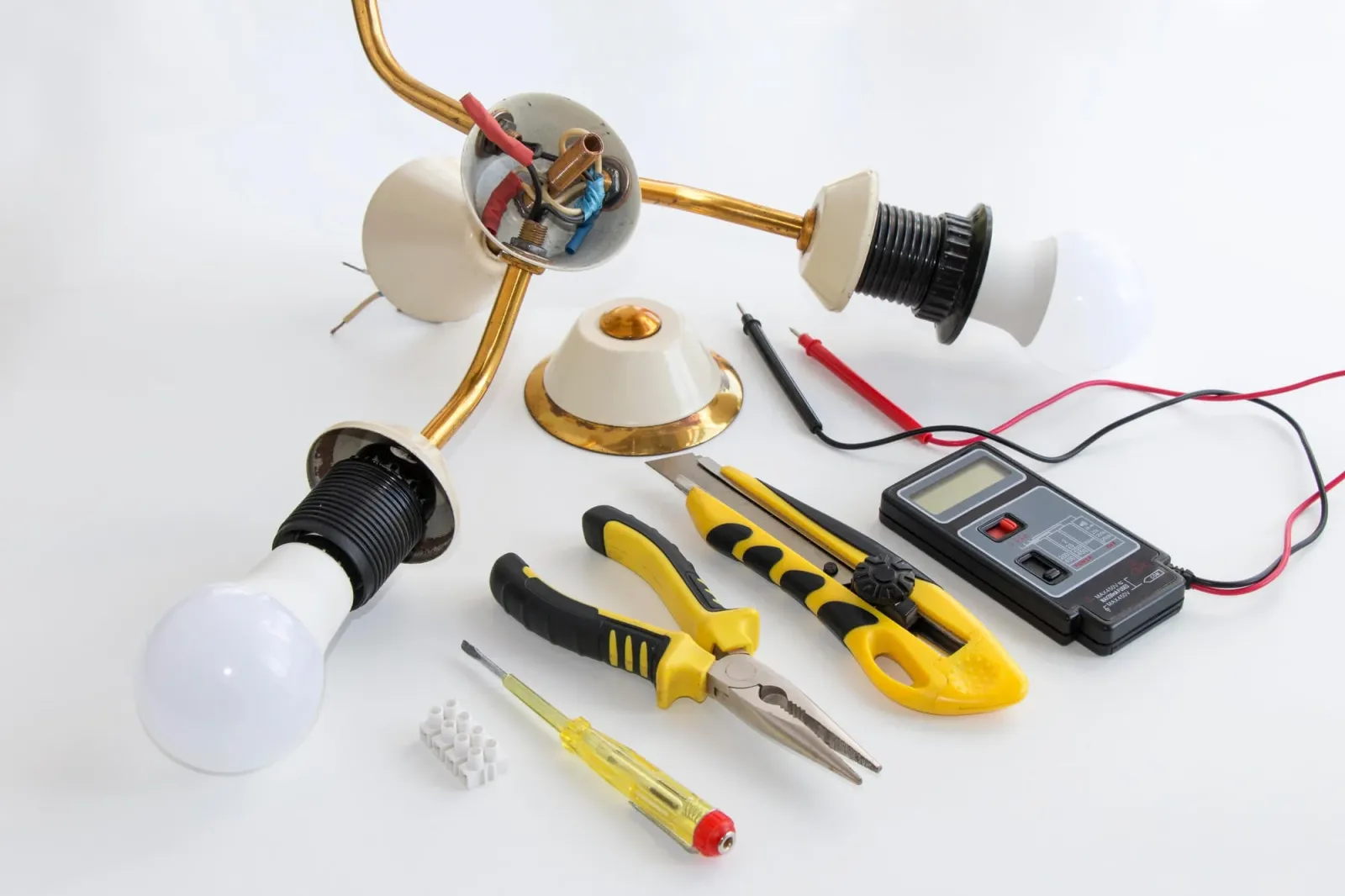
Installation tools such as testers and measuring devices ensure accuracy during setup. Using the right tools improves the quality of work and reduces the chances of errors that could lead to system failures.
Energy Efficiency and Modern Advancements
Modern electrical systems are increasingly focused on energy efficiency. Advanced components and smart technologies help reduce energy consumption while maintaining performance.
Efficient lighting systems, smart switches, and improved wiring designs contribute to better energy management. These innovations not only lower energy costs but also support sustainable practices.
Common Mistakes to Avoid
One common mistake is using low-quality materials, which can compromise safety and performance. Poor installation practices, such as loose connections or improper wiring, can also lead to serious issues.
Another mistake is neglecting regular maintenance. Electrical systems require periodic inspection to ensure that all components are functioning correctly. Addressing minor issues early can prevent larger problems in the future.
Importance of Proper Planning
Every electrical project should begin with careful planning. Understanding the power requirements, layout, and intended use helps in selecting the right components.
Proper planning ensures that the system can handle the required load without overloading or inefficiencies. It also helps in creating a structured and organized setup that is easier to manage.
Final Thoughts
A reliable electrical system depends on the correct selection and use of electrical supplies. Each component, from wiring to protective devices, plays a vital role in ensuring safety and efficiency.
By focusing on quality materials, proper installation, and regular maintenance, it becomes easier to build systems that perform consistently over time. Thoughtful planning and attention to detail ensure that electrical setups remain safe, functional, and durable for years to come.




Share this page with your family and friends.