Walk into almost any heavy industrial facility that moves abrasive mixtures, and there is a good chance you will find a CNSME pump quietly doing its job. Over the years, CNSME has earned a reputation in several specific applications where their pumps consistently outperform the competition. These are not easy applications. They are the ones that chew up ordinary pumps, frustrate maintenance teams, and cost operators thousands of hours of lost production. CNSME has succeeded in these areas by understanding the unique demands of each application and engineering solutions that address them directly. This article highlights the top applications where CNSME has proven their expertise, offering insights for buyers facing similar challenges.
Mining and Mineral Processing
Mining is where slurry pumps face their ultimate test. The ore is hard, the particles are sharp, and the operating schedule is around the clock. CNSME has become a trusted name in this sector by delivering pumps that handle the full range of mining duties. From mill discharge, where coarse particles exit the grinding circuit, to cyclone feed, where precise pressure control determines separation efficiency, to flotation, where chemical reagents add corrosion to abrasion—CNSME pumps perform. Their high-chrome alloys resist the gouging and erosion of hard rock mining. Their rubber-lined models handle the corrosive chemicals used in leaching and flotation. Mining operators value CNSME’s ability to provide a single supplier for multiple applications across the processing plant. Standardization on CNSME simplifies spare parts inventory and maintenance training, which is a significant advantage in remote mining locations.
Sand and Gravel Operations
Sand and gravel present a different challenge than hard rock mining. The particles are often rounded rather than sharp, but they are highly abrasive and move at high velocities. The typical sand plant runs large volumes of slurry at relatively low heads, requiring pumps that move material efficiently without excessive wear. CNSME excels in this application with pumps that feature extra-wide passages to handle occasional oversize particles and wear materials optimized for rounded abrasives. Their rubber-lined pumps are particularly popular in sand and gravel because the rubber absorbs the impact of sand grains without suffering the micro-cutting that damages metal. Operators report that CNSME pumps often achieve double the wear life of competitors in sand service. The result is fewer maintenance stops and more tons moved per shift, which is the entire point of a sand and gravel operation.
Dredging and River Maintenance
Dredging is a uniquely demanding application because the pump must handle whatever it encounters—sand, silt, clay, gravel, and sometimes debris like wood or rope. The suction conditions are often poor, with the pump pulling from a moving body of water rather than a flooded tank. CNSME has developed dredging-specific solutions that address these challenges. Their pumps feature large, open impellers that pass debris without clogging. The casings are extra thick to withstand the impact of occasional large rocks. Seal systems are designed to operate with limited flush water, which is often unavailable on dredges. Perhaps most importantly, CNSME pumps are built to run continuously for weeks or months at a time, which is standard practice in dredging operations. Dredging contractors who have tried other pumps and been disappointed by frequent failures find that CNSME delivers the reliability they need to stay on schedule.
Chemical and Industrial Processing
Chemical plants move slurries that are as corrosive as they are abrasive. A slurry of titanium dioxide pigment, for example, contains hard particles suspended in an acidic solution. Ordinary high-chrome pumps would corrode, while ordinary stainless steel pumps would wear. CNSME offers specialized alloys that balance wear resistance and corrosion resistance for these demanding applications. Their duplex stainless steels and high-chrome alloys with added molybdenum provide protection against both mechanisms. The seal systems are carefully selected to resist chemical attack, often using mechanical seals with silicon carbide faces and perfluoroelastomer O-rings. Chemical plant operators appreciate CNSME’s willingness to analyze their slurry chemistry and recommend a material based on testing rather than guesswork. When the slurry contains hazardous materials, the cost of a seal leak is enormous, so getting the material right matters more than saving a few dollars on the initial purchase.
Power Generation and Ash Handling
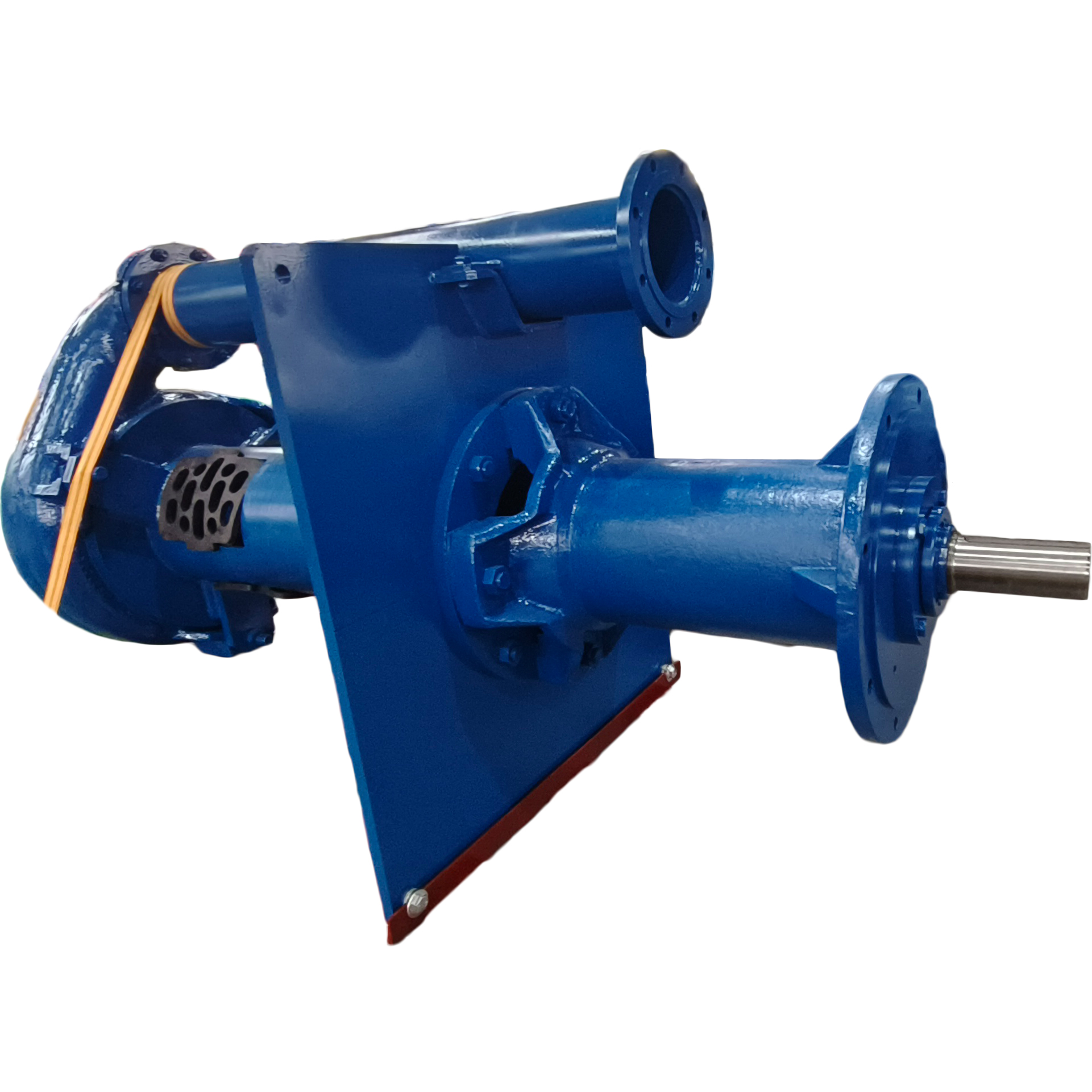
Coal-fired power plants generate large volumes of ash slurry pump supplier that must be transported to disposal ponds or dewatering systems. Fly ash is fine and abrasive, while bottom ash contains larger, heavier particles. Both are mixed with water and pumped over long distances. CNSME has supplied thousands of pumps for ash handling because their designs match the requirements of this application. The pumps operate at relatively low speeds to reduce wear, with oversized shafts and bearings to handle the heavy loads. Seal systems are often of the expeller type, which requires no flush water—a significant advantage in power plants where water conservation is increasingly important. The wear parts are designed for long life between replacements because ash handling systems are often difficult to access for maintenance. Power plant operators who have switched to CNSME report lower maintenance costs and fewer unplanned outages, both critical in an industry where every hour of downtime is closely scrutinized.
Steel Mill Scale Handling
Steel mills generate scale—flakes of iron oxide that break off during hot rolling. This scale is collected in flumes and pumped to settling basins for recovery. Scale is extremely abrasive and often contains large, heavy particles that settle quickly if flow stops. CNSME pumps are well-suited to scale handling because of their robust construction and excellent solids-handling capability. The impellers are designed with wide passages that pass scale flakes without clogging. The casings are lined with high-chrome iron that resists the cutting action of sharp scale particles. Perhaps most importantly, CNSME pumps are built to handle the intermittent operation common in steel mills, where the pump might run for a few hours, stop, then start again. This start-stop cycling is hard on bearings and seals, but CNSME’s conservative design margins provide the necessary durability. Steel mill maintenance teams report that CNSME pumps outlast other brands by a significant margin in this demanding service.
Tailings and Waste Disposal
Environmental regulations have made tailings disposal one of the most critical applications in mining. Thickened tailings and paste tailings are difficult to pump because they have high solids concentrations and yield stresses that resist flow. A pump that works well for conventional tailings may fail quickly on thickened tails. CNSME has developed specialized solutions for high-density tailings, including pumps with oversized inlets to improve suction performance, heavy-duty shafts to handle the high torque requirements, and seal systems designed for the reduced flush water availability typical of tailings plants. These pumps are often the longest-running, most critical equipment in the tailings system. A failure can shut down the entire mine. CNSME understands this responsibility and builds their tailings pumps with extra margins of safety. For mines moving toward higher-density tailings storage to reduce water consumption and environmental footprint, CNSME provides the pumping technology to make it work.


Share this page with your family and friends.