Streetwear Became a Lifestyle Instead of a Trend
Streetwear grew beyond fashion because it connected naturally with everyday life. Oversized hoodies, washed denim, relaxed t-shirts, and layered outfits slowly became normal outside skate parks and music scenes because people wanted clothing that felt comfortable without losing personality. Younger buyers also stopped following strict fashion rules and started building wardrobes around mood, confidence, and identity instead. That shift helped modern streetwear culture expand across photography, sneakers, music, and social media communities. One thing I’ve personally noticed after wearing heavyweight hoodies for several months is how the fabric becomes softer near the shoulders and cuffs while still keeping its structure. That worn texture often makes the garment feel better over time instead of looking damaged. Streetwear also became practical because relaxed silhouettes work naturally during daily routines. Loose hoodies fit comfortably during travel, city walks, or casual meetups without feeling overly styled. Layering also feels easier because oversized pieces work naturally under varsity jackets and heavier outerwear. However, some oversized trends still become too exaggerated. Extremely long sleeves or oversized pant legs may look dramatic online, yet they often feel awkward during regular movement. Even so, people continue choosing relaxed clothing because it balances comfort and individuality in a way traditional fashion rarely achieves. That connection between identity and comfort keeps streetwear culture growing every year.
Oversized Fits Completely Changed Modern Fashion
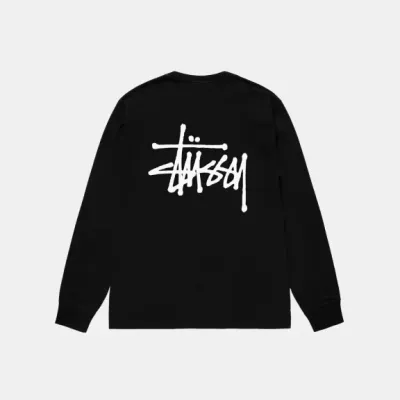
Relaxed silhouettes became one of the biggest changes in modern fashion because they transformed how people approach styling. Slim-fit clothing once dominated both casualwear and mainstream fashion, but oversized hoodies and loose denim slowly replaced tighter fits by offering more comfort and layering flexibility. The influence of the Stussy streetwear collection helped normalize oversized styling by blending skate-inspired aesthetics with modern urban fashion culture. Earlier streetwear often focused heavily on logos and bold graphics, while modern oversized fashion highlights silhouette and fabric texture much more clearly. Heavy cotton fleece, garment-dyed hoodies, washed tees, and relaxed tailoring became increasingly important because oversized fits expose material quality in a stronger way. Another reason oversized clothing became popular involves versatility. Loose hoodies pair naturally with cargos, distressed denim, shorts, and layered outerwear without requiring complicated styling decisions. Personally, I think slightly oversized hoodies usually look better after several washes because the fabric starts draping more naturally around the body. Relaxed clothing also tends to age better visually since fading and softened textures improve the appearance instead of making garments look ruined. However, oversized fashion still requires balance. Some brands exaggerate proportions so heavily that the clothing becomes difficult to wear comfortably during everyday life. Even so, relaxed silhouettes continue shaping modern fashion because they create effortless confidence without feeling restrictive or overly formal.
Strong Construction Matters More Than Hype
Streetwear buyers now care far more about craftsmanship than many brands expected several years ago. Large graphics and logos alone no longer create long-term loyalty because experienced buyers focus more on comfort, durability, and wearability. Several details usually separate premium streetwear from lower-quality fast fashion pieces:
-
Thick cotton fabric that keeps structure after repeated washing.
-
Reinforced stitching around shoulders, pockets, and side seams where garments experience the most stress.
-
Strong garment dyeing techniques that create smooth fading instead of uneven discoloration.
-
Durable hardware like zippers and drawstrings that survive long-term use.
-
Balanced denim construction that softens naturally without losing shape.
One detail people rarely discuss involves hoodie interiors. Premium fleece lining usually becomes smoother after washing, while cheaper fleece often turns rough and dry after only a short period. Denim quality matters heavily too. Better denim develops cleaner fading around knees and seams instead of random stress marks that make garments look weak. Buyers also pay closer attention to sustainability now. Organic cotton, recycled fibers, and lower-water dye methods influence purchasing decisions much more than before. However, higher prices still do not guarantee strong quality. Some brands focus heavily on marketing campaigns while ignoring long-term durability. That disconnect frustrates buyers who expect better craftsmanship at premium prices. Real quality usually becomes obvious after months of regular wear rather than during the first unboxing video or social media post.
Emotional Fashion Changed Streetwear Identity
Modern streetwear no longer focuses only on visual style because clothing now reflects mood and emotion as much as fashion. Oversized hoodies, faded graphics, muted color palettes, and handwritten artwork all support the emotional direction modern streetwear has taken over the last decade. Music culture strongly influenced this shift. Sad rap, indie rock, nostalgic photography, and lo-fi visuals shaped how younger buyers connect with clothing today. Many people now prefer fashion that feels personal instead of aggressively commercial. This softer direction also appears strongly inside the the Mixed Emotion brand store where oversized silhouettes and minimal graphics create emotional storytelling without depending on loud branding. Another major change involves color choices. Washed black, faded navy, charcoal grey, dusty brown, and vintage cream tones became increasingly popular because they feel more natural and easier to wear daily. I honestly prefer muted tones because they layer more smoothly with everyday outfits and remain wearable across different seasons. Emotional fashion also changed streetwear photography. Modern campaigns now use softer lighting, realistic city environments, and cinematic shadows instead of heavily polished studio visuals. However, emotional branding can still become repetitive when brands focus too heavily on vague sadness themes without improving construction quality. Buyers still expect comfort, durability, and realistic wearability beneath the visual presentation. Strong emotional streetwear works best when thoughtful craftsmanship supports the overall aesthetic instead of replacing it.
Fabric Quality Became More Important Than Branding
Streetwear culture shifted once buyers started caring more about fabric quality than oversized logos. Heavyweight cotton, brushed fleece interiors, garment-dyed fabrics, and durable denim construction now influence purchasing decisions much more strongly than they once did. Important qualities buyers often look for include:
-
Thick cotton that maintains shape after repeated washing
-
Soft fleece interiors for colder weather comfort
-
Durable stitching around cuffs, hems, and pockets
-
Garment-dyed finishes that create natural fading patterns
-
Denim fabric that balances flexibility with long-term structure
One thing experienced buyers notice quickly involves fabric drape. Premium hoodies usually fall naturally around the shoulders instead of hanging stiffly near the waist. Better garments also maintain balanced proportions even after months of regular wear. Cheaper fabrics often twist near side seams or shrink unevenly after cleaning. Denim quality matters heavily too because stronger denim softens gradually while still keeping structure around knees and pockets. Many buyers interested in premium oversized fashion and distressed denim styling also explore productos Amiri originales because luxury-inspired streetwear became strongly connected with heavyweight fabrics and layered aesthetics. Still, stronger materials increase production costs, so premium streetwear remains expensive for many younger buyers. That reality creates one honest limitation inside modern fashion culture. Not everyone can comfortably afford heavyweight hoodies or premium denim garments. Even so, many shoppers now prefer buying fewer high-quality pieces instead of constantly replacing cheaper clothing every few months.
Streetwear Photography Became More Authentic
Fashion photography changed dramatically once social media became deeply connected with streetwear culture. Earlier campaigns often looked polished and distant, while modern streetwear imagery feels more realistic and emotionally connected. Sidewalks, parking garages, apartment hallways, skate parks, and industrial rooftops replaced many traditional studio environments. This shift helped fashion feel more believable and relatable. Buyers now expect detailed fabric shots, visible stitching, natural lighting, and realistic styling instead of heavily edited promotional photos. One reason this matters involves transparency. People want to see how heavyweight hoodies fold naturally or how distressed denim actually looks under softer lighting conditions. I’ve personally noticed that golden-hour photography usually reveals fabric texture more honestly than bright white studio setups. Another noticeable change involves movement. Slight motion blur, relaxed poses, and imperfect framing now feel more authentic than heavily staged fashion campaigns. These visual choices support the emotional direction modern streetwear often follows. However, photography alone cannot fix poor product quality. Some brands invest heavily in cinematic visuals while delivering average garments once orders arrive. That mismatch damages customer trust quickly. Good photography should support strong craftsmanship instead of distracting from weak materials or poor construction. When realistic visuals and quality design work together, streetwear becomes much more memorable.
Luxury Fashion and Streetwear Continue Blending Together
Luxury fashion and streetwear once existed in separate worlds. Traditional luxury focused heavily on tailoring and exclusivity, while streetwear grew from skateboarding, music culture, and underground creative communities. That separation slowly disappeared over the last decade. Oversized hoodies, distressed denim, varsity jackets, and premium sneakers now appear inside both luxury fashion houses and independent streetwear labels. Music culture accelerated this crossover significantly. Artists, athletes, and online creators started mixing designer sneakers with relaxed hoodies and vintage denim, which normalized hybrid styling for younger audiences worldwide. Another major shift involves craftsmanship. Luxury-inspired streetwear now includes heavyweight fabrics, detailed garment washing, suede textures, rhinestone accents, and hand-finished distressing techniques once reserved mainly for premium fashion houses. Still, authenticity remains extremely important. Some luxury companies copied streetwear aesthetics without understanding the culture behind them, which made products feel forced instead of genuine. Buyers usually recognize that difference quickly. I think the strongest streetwear brands still focus on wearability and comfort instead of temporary hype trends. Real credibility often develops slowly through consistent quality and strong community connection rather than expensive advertising campaigns alone. That balance helps modern streetwear evolve without losing its original identity.
Streetwear Will Continue Becoming More Personal
Streetwear keeps evolving because younger generations approach fashion differently from earlier audiences. Instead of following strict seasonal trends, many people now build wardrobes around comfort, mood, identity, and long-term wearability. Oversized hoodies, heavyweight fabrics, washed denim, muted colors, and relaxed tailoring will probably remain important because they fit naturally into everyday life. Buyers also expect stronger transparency now. They want realistic product photography, thoughtful construction, and better material quality instead of empty marketing language. Social media also helped smaller labels compete with larger companies because authentic outfit photos and detailed fabric close-ups often build trust faster than expensive advertisements. However, fast-moving trends still create pressure to buy clothing too quickly without considering durability or comfort. Personally, I think the smartest streetwear purchases are usually the garments that still feel comfortable years later instead of pieces designed only for temporary internet attention. Fashion trends always change, yet comfort and authenticity rarely disappear completely. That balance will likely keep shaping streetwear culture for many years ahead.
Final Words
Streetwear became much more than casual clothing because it connects comfort, identity, craftsmanship, and emotional expression naturally. Oversized silhouettes, heavyweight fabrics, realistic photography, and thoughtful design all helped shape modern urban fashion culture. While trends continue evolving, people still value clothing that feels authentic and wearable during real daily life. That connection keeps streetwear relevant across different generations and creative communities.
FAQs
Why are oversized hoodies still popular?
Oversized hoodies feel comfortable, layer easily, and create relaxed silhouettes that match modern streetwear trends.
What makes heavyweight cotton better?
Heavyweight cotton usually lasts longer, keeps shape better, and feels softer after repeated wear and washing.
Why do garment washes matter in streetwear?
Garment washing softens fabrics and creates natural fading patterns that improve the overall appearance over time.
Does expensive streetwear always mean high quality?
No. Some brands focus more on hype and branding than long-term craftsmanship or durability.
Can luxury fashion and streetwear work together?
Yes. Modern fashion often combines premium sneakers, oversized hoodies, and distressed denim into one balanced outfit.



Share this page with your family and friends.