If you have ever taken a probiotic supplement or eaten yogurt for digestive health, you already understand the basic concept. You are introducing beneficial bacteria into your body to outcompete harmful microbes and restore balance. Environmental probiotics work on the same principle, but instead of your gut, they target your home. The science of competitive exclusion, using good bacteria to crowd out bad ones, applies equally to indoor spaces. The strains are different because the environment is different. Your gut is warm, anaerobic, and full of human-specific nutrients. Your home is cooler, oxygen-rich, and covered in organic debris like dust, skin cells, and food crumbs. But the underlying logic is identical. A healthy ecosystem, whether inside your body or inside your living room, is not a sterile one. It is a balanced one where beneficial organisms keep potential pathogens in check.
How Gut Probiotics Work Inside Your Body
Your gastrointestinal tract is home to trillions of bacteria, fungi, and viruses, collectively called the gut microbiome. When this community is diverse and balanced, it supports digestion, regulates immunity, and even influences mood. When it is disrupted by antibiotics, poor diet, or illness, harmful species can overgrow, leading to digestive issues, inflammation, and other problems. Oral probiotics introduce specific beneficial strains, typically Lactobacillus and Bifidobacterium species, to help restore balance. These good bacteria produce acids that lower the pH of the gut, making it inhospitable to pathogens. They compete for attachment sites on the intestinal wall. They produce antimicrobial compounds that directly inhibit harmful species. And they train the immune system to tolerate beneficial microbes while attacking dangerous ones. The goal is not to kill all bacteria. It is to cultivate a healthy, resilient community.
How Environmental Probiotics Work in Your Home
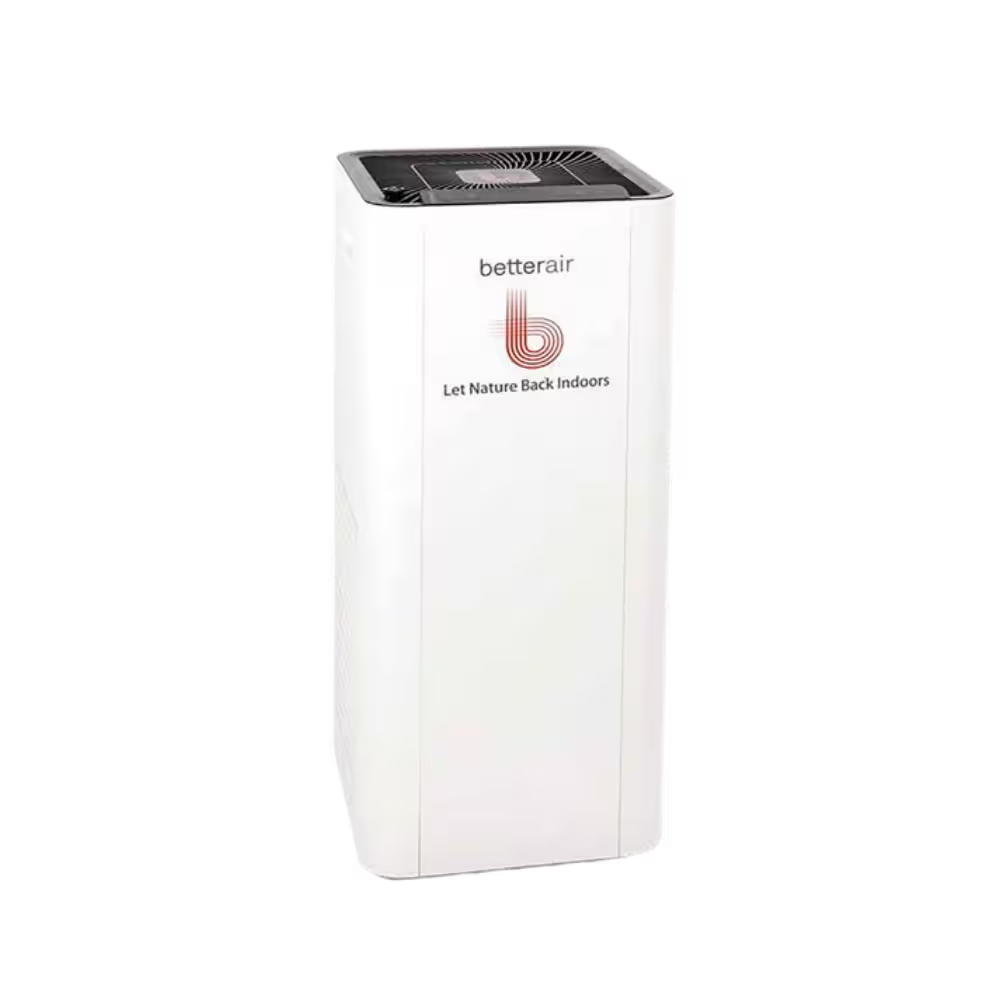
Environmental probiotics, such as the Bacillus strains used by EnviroBiotics, apply the same ecological principles to indoor spaces. Your home has its own microbiome, a complex community of bacteria, mold, and other microbes living on surfaces and in the air. When this community is balanced, it causes no problems. When it is disrupted by moisture, poor ventilation, or excessive cleaning with harsh chemicals, harmful species like mold and pathogenic bacteria can take over. Environmental probiotics introduce beneficial Bacillus strains that settle onto surfaces and establish colonies. These good bacteria consume the organic debris that mold and dust mites feed on. They produce antimicrobial compounds that inhibit pathogens. And they physically occupy space, making it harder for harmful species to gain a foothold. The goal is the same as with gut probiotics. Not sterilization, but balance.
Different Strains for Different Environments
You cannot simply empty a capsule of gut probiotics into your living room and expect results. The Lactobacillus and Bifidobacterium strains found in yogurt are adapted to the warm, anaerobic, nutrient-rich environment of the digestive tract. They would not survive long on your dry, oxygen-rich kitchen counter. Environmental probiotics use different strains, primarily from the Bacillus genus, that are adapted to survive in built environments. Bacillus species form durable spores that can withstand drying, temperature swings, and even harsh cleaning products. When conditions are favorable, the spores germinate into active bacteria. When conditions become dry or cold, they return to spore form and wait for better times. This resilience makes Bacillus ideal for indoor use. They can be stored in a dry cartridge for months, then spring to life when released into your home. Gut probiotics lack this survival strategy, which is why they must be kept refrigerated and consumed quickly.
Similar Mechanisms of Competitive Exclusion
Despite using different strains for different environments, the mechanism of action is strikingly similar. In your gut, beneficial Lactobacillus produce lactic acid, which lowers pH and inhibits pathogens like Clostridium difficile. In your home, beneficial Bacillus produce lipopeptides that specifically target mold and pathogenic bacteria. In your gut, good bacteria consume available nutrients, starving out harmful species. In your home, Bacillus consume the organic debris that mold and dust mites need to survive. In your gut, beneficial bacteria occupy attachment sites on the intestinal wall. In your home, Bacillus occupy surface area, making it physically harder for mold spores to settle and germinate. Both applications rely on competitive exclusion, using beneficial organisms to outcompete harmful ones through resource competition, chemical warfare, and physical occupation. The specific weapons differ, but the strategy is identical.
Why Both Approaches Avoid Harsh Chemicals
One of the most important parallels between gut and environmental probiotics is their reliance on biological rather than chemical solutions. For gut issues, doctors do not typically recommend drinking bleach or taking antibiotics long-term. Those approaches kill everything, good and bad, and create more problems than they solve. Instead, they recommend probiotics, prebiotics, and dietary changes that support a healthy gut microbiome. The same logic applies to your home. Harsh chemical disinfectants kill everything on a surface, but they leave behind residues and create a microbial vacuum that is quickly recolonized, often by hardier, more resistant strains. Environmental probiotics offer a sustainable alternative. They work with nature instead of against it, cultivating a healthy indoor microbiome that maintains itself over time. For homeowners who are tired of the endless cycle of spraying and scrubbing, this biological approach offers genuine relief.
Practical Implications for Homeowners
Understanding the parallel between gut and environmental probiotics has practical implications for how you maintain your home. Just as you would not take antibiotics for every minor digestive upset, you should not use harsh chemical disinfectants for routine cleaning. Reserve them for situations where someone is actually sick or raw meat has spilled. For everyday cleaning, use soap and water or plant-based products that clean without sterilizing. Just as you might take a probiotic supplement after a course of antibiotics to restore your gut flora, consider an environmental probiotic system after a mold remediation or a deep cleaning with harsh chemicals to restore your indoor microbiome. Your home is a living ecosystem. Treating it with the same respect you show your own body is not anthropomorphism. It is good science. The bacteria that live on your surfaces are not so different from the ones that live in your gut. And the principles that keep one healthy apply equally to the other.


Share this page with your family and friends.