Coastal living offers stunning views and refreshing ocean breezes, but it also brings exposure to harsh weather conditions. Impact Horizontal Rolling Windows are designed specifically to help coastal homes withstand high winds, flying debris, and heavy rain while maintaining comfort and style.
Choosing the right windows is one of the most important decisions homeowners can make to protect their property and enhance long-term durability. With the right combination of strength and functionality, modern impact-rated windows provide both everyday convenience and storm-ready performance.
What Are Impact Horizontal Rolling Windows?
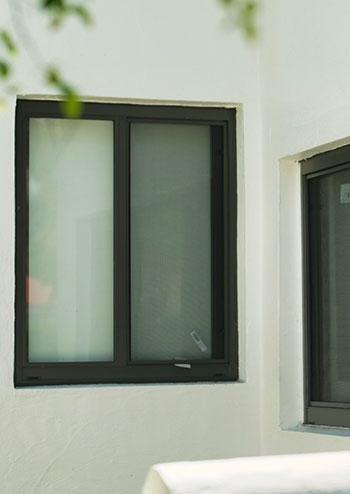
Impact Horizontal Rolling Windows are sliding windows engineered with impact-resistant glass and reinforced frames. Instead of opening outward or inward, they glide smoothly along a horizontal track, making them easy to operate and ideal for spaces where exterior clearance may be limited.
The defining feature is the laminated impact glass. This glass typically consists of multiple layers bonded with a strong interlayer that helps hold the pane together if struck by debris. Even if the outer layer cracks, the inner layer remains intact, reducing the risk of dangerous shards and protecting the home’s interior.
Why Coastal Homes Need Impact Protection
Homes located near the coast face environmental stress that inland properties rarely experience. These factors include:
- Hurricane-force winds
- Wind-borne debris
- Salt corrosion
- Heavy rainfall
- High humidity
Standard windows often fail under extreme pressure or flying debris. When a window breaks during a storm, internal air pressure can increase rapidly, potentially leading to structural damage.
Impact Horizontal Rolling Windows are specifically designed to resist these forces. Many models meet or exceed stringent building codes in coastal regions, providing added protection and peace of mind during storm season.
Key Benefits of Impact Horizontal Rolling Windows
1. Storm and Debris Resistance
The primary advantage of Impact Horizontal Rolling Windows is their ability to withstand impact from wind-driven debris. This reduces the likelihood of breakage and helps maintain the structural integrity of the home during severe weather.
2. Enhanced Energy Efficiency
Coastal climates often mean higher cooling demands. Impact-resistant glass typically includes insulating features that reduce heat transfer. By limiting heat gain, these windows can help maintain indoor comfort and potentially lower energy costs.
Additionally, many impact windows include low-emissivity (Low-E) coatings that reflect heat while allowing natural light to pass through.
3. Noise Reduction
Coastal homes near beaches, busy roads, or urban waterfront areas can benefit from improved sound insulation. The laminated glass used in Impact Horizontal Rolling Windows helps reduce outside noise, creating a quieter indoor environment.
4. Improved Security
The same layered glass that resists storm debris also makes forced entry more difficult. Because the glass does not shatter easily, it adds an extra layer of protection against break-ins.
5. Low Maintenance and Durability
Modern frames—often made from aluminum or vinyl—are engineered to resist corrosion and withstand salty coastal air. Combined with durable glass construction, these windows require minimal upkeep compared to traditional wood-frame alternatives.
Ideal Design for Coastal Living
Beyond performance, Impact Horizontal Rolling Windows complement coastal architecture beautifully. Their clean lines and expansive glass panels maximize views of the ocean, marina, or surrounding landscape.
Space-Saving Operation
Because these windows slide horizontally, they do not project outward. This makes them a practical choice for:
- Balconies
- Walkways
- Patios
- Areas facing tight exterior spaces
Increased Natural Light
Large glass panels allow abundant daylight into the home, enhancing open floor plans and creating a bright, airy atmosphere—perfect for coastal design aesthetics.
Building Code Compliance in Coastal Areas
Coastal regions often have strict building codes to address hurricane risk. Impact windows are typically tested under rigorous standards that simulate high winds and debris impact.
When selecting Impact Horizontal Rolling Windows, it is important to ensure they meet local building requirements. Look for certifications that indicate compliance with wind load and impact resistance standards relevant to your area.
Working with experienced professionals can help ensure proper product selection and installation, both of which are critical to achieving full performance benefits.
Installation Considerations
Even the most advanced impact window will underperform if not installed correctly. Proper anchoring, sealing, and alignment are essential for:
- Preventing water intrusion
- Maintaining structural stability
- Ensuring smooth operation
Professional installation ensures that the window frame integrates seamlessly with the home’s structure, particularly in high-wind zones.
Long-Term Value for Coastal Properties
Investing in Impact Horizontal Rolling Windows can offer long-term value in several ways:
- Reduced risk of storm damage
- Potential insurance benefits in some regions
- Increased property appeal
- Lower maintenance costs over time
For homeowners in coastal areas, the combination of protection, efficiency, and aesthetic appeal makes these windows a practical and forward-thinking upgrade.
Are Impact Horizontal Rolling Windows Right for Your Home?
If your property is located near the coast or in a hurricane-prone region, upgrading to impact-resistant windows can significantly enhance safety and durability. Horizontal rolling styles are particularly attractive for homeowners seeking unobstructed views, easy operation, and a modern appearance.
By combining engineered strength with sleek design, Impact Horizontal Rolling Windows address the specific challenges of coastal living while enhancing comfort and visual appeal.
When considering window upgrades, evaluate factors such as local building codes, exposure to salt air, desired energy performance, and professional installation options. Making an informed decision ensures that your home remains protected and efficient for years to come.
Explore Impact Horizontal Rolling Windows with Patriot Windows and Doors for durable coastal home protection.
Frequently Asked Questions (FAQ)
1. How do Impact Horizontal Rolling Windows differ from standard sliding windows?
Impact Horizontal Rolling Windows are built with laminated impact-resistant glass and reinforced frames designed to withstand high winds and flying debris. Standard sliding windows typically use regular glass, which can shatter more easily during severe weather.
2. Are Impact Horizontal Rolling Windows required in coastal areas?
In many coastal regions, building codes require impact-rated windows that meet specific wind and debris resistance standards. Requirements vary by location, so it is important to verify local regulations before installation.
3. Do Impact Horizontal Rolling Windows improve energy efficiency?
Yes. Many impact windows feature insulated glass and Low-E coatings that reduce heat transfer. This helps maintain indoor temperatures and can contribute to improved energy efficiency, especially in warm coastal climates.
4. Can these windows reduce outside noise?
The laminated glass used in Impact Horizontal Rolling Windows helps dampen sound vibrations. This can significantly reduce noise from traffic, wind, or nearby waterfront activity.
5. Are Impact Horizontal Rolling Windows harder to maintain?
No. Most models are made with corrosion-resistant aluminum or vinyl frames designed for coastal environments. Regular cleaning of the tracks and occasional inspection of seals is usually sufficient for long-term performance.
6. Do impact windows eliminate the need for hurricane shutters?
In many cases, yes. Because Impact Horizontal Rolling Windows are designed to withstand debris impact and strong wind pressures, they may remove the need for additional storm shutters. However, always confirm with local building codes and insurance guidelines.
7. How long do Impact Horizontal Rolling Windows typically last?
With proper installation and maintenance, high-quality impact windows can last 20–30 years or more, even in coastal environments where salt exposure is common.


Share this page with your family and friends.